

What Is Comparative Negligence State: Learn Liability Rules Now
Ever thought about how courts figure out fault when many are to blame for an accident? Knowing about comparative negligence states can help you understand legal issues after an injury.
Comparative negligence is a key legal idea that changes how injury claims are looked at in the U.S. It offers a detailed way to figure out who’s to blame in accidents. This makes sure everyone gets a fair share of blame and compensation.
Now, in injury cases, we don’t just say “you’re all to blame” or “you’re not to blame at all.” We use a smarter system. This system lets courts say how much each person is to blame. This affects how much money someone gets for their injury.
Key Takeaways
- Comparative negligence provides a fair method for determining fault in accidents
- Different states apply varying interpretations of comparative negligence rules
- The approach allows partial recovery even if the plaintiff is partially responsible
- Understanding these rules can significantly impact your legal claims
- Comparative negligence promotes a more equitable legal resolution
Understanding Comparative Negligence
Comparative negligence is a big deal in personal injury law. It changes how we look at fault and pay for injuries. This idea helps us figure out who’s to blame and how much to pay.
This rule lets people get damages even if they were partly to blame. It’s different from old rules because it says accidents can have more than one cause.
Legal Definition of Comparative Fault
The core of comparative fault is about sharing blame. It has a few main points:
- Figuring out how much blame each side has
- Calculating damages based on who’s to blame
- Allowing injured people to get some money back
Historical Development
Comparative negligence came as a better choice than old rules. It shows a move towards fairness in injury cases.
| Legal Era | Fault Determination Approach |
|---|---|
| Pre-1900s | Contributory Negligence (Total Bar) |
| Mid-1900s | Comparative Negligence Introduction |
| Modern Era | Refined Comparative Negligence Systems |
States started using comparative negligence. They saw it as a fair way to deal with injury claims. It takes into account when both sides are to blame.
Types of Comparative Negligence
Comparative negligence is a key legal idea in personal injury cases. It shows how fault and money for injuries go together. Knowing the types of comparative negligence helps people understand legal issues better when they want compensation for injuries.
Pure Comparative Negligence State Characteristics
In pure comparative negligence states, people can get money even if they caused most of the accident. This means someone can be 99% at fault and get 1% of their damages from others.
- Allows partial recovery regardless of plaintiff’s fault percentage
- Provides more flexible compensation options
- Applies in states like California and New York
Modified Comparative Negligence Rules
Modified comparative negligence has stricter rules for getting money. People can only get money if they are less than 50% or 51% at fault. This depends on the state’s rules.
| Negligence Type | Recovery Threshold | Key Characteristics |
|---|---|---|
| Pure Comparative Negligence | No Limit | Can recover damages at any fault level |
| Modified Comparative Negligence (50% Rule) | Less than 50% Fault | Cannot recover if 50% or more at fault |
| Modified Comparative Negligence (51% Rule) | Less than 51% Fault | Cannot recover if 51% or more at fault |
Comparative Negligence vs Contributory Negligence
Comparative negligence is different from contributory negligence. Contributory negligence says you can’t get money if you’re even a little bit at fault. But comparative negligence is more fair. It says accidents often have shared blame and helps figure out fair compensation.
How Comparative Negligence Works
Understanding fault percentage compensation is key in shared blame lawsuits. It’s important in personal injury claims. Legal fault allocation helps figure out who gets what and who’s at fault.
Comparative negligence looks at who’s to blame in an incident. It checks actions, circumstances, and what might have caused the problem.
Liability Assessment Process
Legal experts use a set way to find out who’s at fault:
- They gather and look at evidence from the incident.
- They talk to witnesses and people involved.
- They review documents and listen to experts.
- Then, they figure out how much each person contributed.
Impact of Negligence on Claims
The fault percentage affects how much you can get in a claim. Even if you’re partly to blame, you can ask for damages. Laws in each state decide how much you get after subtracting your fault.
Let’s say you’re 30% to blame for an accident. If damages are $100,000, you get $70,000. This way, everyone gets a fair share based on their part in the accident.
States Following Comparative Negligence
It’s important to know how different states handle comparative negligence. This is key for understanding accident laws. Each state has its own rules, making personal injury cases complex.
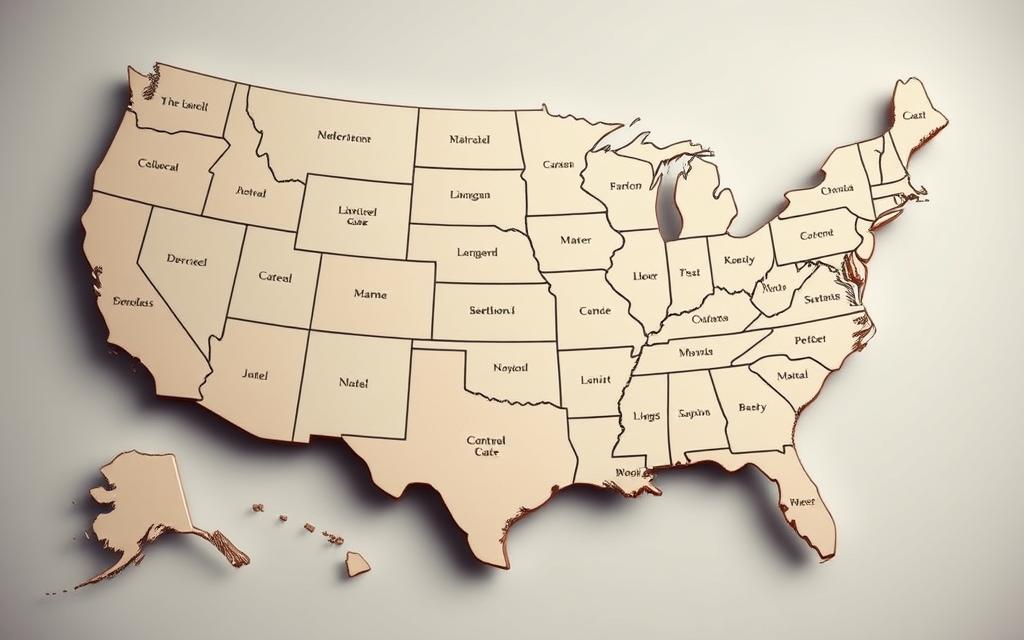
The U.S. has two main ways to deal with comparative negligence: pure and modified systems. Each state has its own rules for figuring out who’s at fault in accidents.
Pure Comparative Negligence States
In pure comparative negligence states, people can get damages even if they were partly to blame. Here’s a list of states with pure systems:
- California
- New York
- Florida
- Arizona
- New Mexico
- Louisiana
- Mississippi
- Kentucky
Modified Comparative Negligence States
Modified comparative negligence states have stricter rules. They won’t let you get damages if you were mostly to blame. Here are the states with these rules:
- 50% Threshold States:
- Colorado
- Georgia
- Tennessee
- Maryland
- 51% Threshold States:
- Texas
- Illinois
- Oregon
- Washington
It’s vital for lawyers and accident victims to know these state laws. This helps them deal with personal injury claims and get the right compensation.
Examples of Comparative Negligence Scenarios
Comparative negligence helps figure out who’s at fault in personal injury cases. It shows how car accidents and lawsuits are handled by courts and insurance.
Lawyers use examples to figure out who’s to blame and how much to pay. These examples show how fault can be split among many in different cases.
Car Accident Shared Fault Scenario
Imagine a car crash where both drivers are partly to blame. For example, if one driver speeds and the other cuts off the other, they both might be at fault. The court might say:
- Driver A is 60% responsible for speeding
- Driver B is 40% responsible for cutting off
- How much money is paid will depend on these percentages
Slip and Fall Incident
Slip and fall cases can be tricky. If someone slips because they were looking at their phone, they might be partly to blame. The store owner could also be at fault for not keeping the floor clean.
Workplace Injury Case
Workplace injuries often have shared blame. An employee might get less money if they didn’t follow safety rules. The boss could be blamed for not keeping the workplace safe.
The Liebeck v. McDonald’s Restaurants case is a famous example. It shows how fault can be split, even in simple cases.
Legal Implications of Comparative Negligence
Comparative negligence laws change how injury claims are handled. These rules make the legal process more complex. They affect how settlements are negotiated and lawsuits are planned.
The fault comparison legal guide shows important details about how courts decide blame. Laws about injury claims let people get damages even if they were partly to blame.
Impact on Settlement Amounts
Settlements under these laws depend on how much fault each side has. Lawyers work hard to figure out these percentages to get the most money for their clients.
- Fault percentages lower how much money you can get
- More fault means less money
- Each side’s fault is carefully looked at
Potential for Litigation
Comparative negligence affects how lawsuits are planned. Lawyers must show strong evidence to make their client look less at fault.
- Gathering detailed evidence is key
- Expert witnesses can change fault percentages
- Good negotiation skills are important to settle claims
Insurance companies look closely at comparative negligence when deciding on claim values and offers. Knowing these legal points helps people deal with complex compensation situations better.
How to Prove Comparative Negligence
Proving comparative negligence needs a smart plan. It’s about showing who was at fault. This involves collecting and organizing evidence well.
- Collect physical evidence from the incident scene
- Photograph damage and surrounding circumstances
- Obtain official police or incident reports
- Gather medical documentation
- Secure electronic records or surveillance footage
Gathering Critical Evidence
Evidence is key to proving negligence. Prompt and thorough documentation helps a lot. Lawyers say to collect evidence right after the incident.
| Evidence Type | Importance | Collection Method |
|---|---|---|
| Photographic Evidence | High | Take clear, detailed photos of the scene |
| Witness Statements | Critical | Collect contact information and written accounts |
| Expert Testimony | Valuable | Consult professionals who can provide technical insights |
Witness Statements: A Crucial Component
Witness statements offer fresh views on what happened. They help make a strong case. Make sure witnesses write down what they saw.
It’s wise to work with a skilled lawyer. They know how to handle blame sharing rules. They can help prove negligence and get you the most compensation.
Comparative Negligence vs. Contributory Negligence
Legal fault allocation in personal injury cases has two main parts: comparative and contributory negligence. These rules affect how much money a person can get if they were partly to blame. They change how courts look at fault in legal cases.

The main difference is how courts deal with partial fault. Contributory negligence is older and says you can’t get anything if you’re partly to blame. On the other hand, comparative negligence lets you get some money, based on how much fault you had.
Key Differences in Legal Fault Allocation
- Contributory negligence bars recovery if plaintiff is any percent at fault
- Comparative negligence allows partial compensation based on fault percentage
- Modern jurisdictions prefer comparative negligence systems
When Each Approach Applies
Different states have different rules for personal injury cases. Some stick to strict contributory negligence, while most use the more flexible comparative negligence.
| Legal Doctrine | Plaintiff Recovery | Jurisdictions |
|---|---|---|
| Contributory Negligence | No recovery if any fault | Alabama, Maryland, North Carolina |
| Pure Comparative Negligence | Proportional recovery | California, New York, Florida |
| Modified Comparative Negligence | Recovery if under 50% or 51% fault | Most other states |
Knowing these rules helps people understand their rights better in personal injury cases.
Insurance Considerations in Comparative Negligence
Understanding insurance liability division is key. It shows how insurers look at fault in claims. In states where fault is compared, insurers help figure out who gets paid and how much.
Insurance companies have special ways to look at accident claims. They figure out how much fault each side has. The steps they take include:
- Comprehensive investigation of accident details
- Collection of evidence and witness statements
- Detailed review of police reports
- Expert assessment of fault percentages
How Insurance Companies Evaluate Claims
Insurance companies look closely at each accident. They use fault-based claim rules to decide. They consider things like:
- Degree of negligence for each party
- Specific state comparative negligence laws
- Documented evidence of responsibility
- Potential financial impacts
Effects on Premiums
Accidents with shared fault can raise insurance costs. Drivers who are more at fault might pay more. The more you’re to blame, the higher your rates could go.
Knowing how insurance works helps you deal with claims better. It keeps your money safe in states that compare fault.
Common Misconceptions About Comparative Negligence
Many people find it hard to understand comparative negligence basics. The legal definition of comparative fault often leads to confusion. This makes it hard to grasp how shared fault in accidents works.

Some think any fault means no legal help. This belief stops many from getting the help they need.
Myths vs. Reality in Comparative Negligence
- Myth: Any fault means no compensation
Reality: Most states let you get some money even if you were partly to blame.
- Myth: Comparative negligence always splits damages equally
Reality: How much you get depends on how much fault you had.
- Myth: Insurance companies always determine fault completely
Reality: Courts can change what insurance companies first say about fault.
Clarifying Legal Terms
It’s important to know that shared fault doesn’t mean no help. States have different rules for figuring out damages.
| Misconception | Actual Legal Interpretation |
|---|---|
| Total Fault Bars Recovery | Partial Recovery Possible in Most States |
| All Fault Is Equal | Percentage-Based Fault Determination |
| Initial Fault Assessment Is Final | Legal Challenges Can Modify Fault Allocation |
People who have been in accidents should talk to lawyers. They can explain what rights and money they might get under these laws.
Role of Attorneys in Comparative Negligence Cases
Dealing with personal injury law is very complex. Attorneys are key in these cases. They help clients understand who is at fault and get the most compensation.
Getting help from a lawyer can change the outcome of a case. They bring many benefits to these tough cases.
Importance of Legal Representation
Having a lawyer is very important in these cases. They can:
- Look at evidence carefully
- Talk to insurance companies well
- Figure out how much damage is done
- Keep your rights safe in court
Choosing the Right Attorney
Finding the right lawyer is important. Look for someone who:
- Has won cases like yours before
- Knows the laws in your state well
- Is good at negotiating and fighting in court
- Tells you things clearly
The right lawyer can make a hard case easier. They make sure you get treated fairly and get what you deserve.
Adjusting to Comparative Negligence Laws
Understanding injury claim fault laws is tricky. Knowing about comparative negligence is key to protecting your rights after an accident. It’s important for victims to know how fault percentage affects their case.
- Document every detail of the incident thoroughly
- Collect evidence including photographs, witness statements, and medical records
- Avoid admitting fault or making detailed statements to insurance adjusters
- Seek medical attention promptly and maintain complete treatment records
What Victims Should Know
It’s vital to know your rights under comparative negligence laws. Each state has its own rules, which can change how much you might get. Remember, even if you were partly at fault, you can often get some compensation.
| Action | Recommended Strategy |
|---|---|
| Evidence Collection | Gather all possible documentation within 30 days of the incident |
| Legal Consultation | Contact an experienced personal injury attorney within 90 days |
| Insurance Communication | Provide factual information without admitting full responsibility |
How to Protect Your Rights
To protect your rights, you need to be proactive and smart. Consult with a legal professional who specializes in comparative negligence cases. They can explain how fault percentage is calculated in your area.
- Preserve all physical evidence from the incident
- Keep detailed medical documentation
- Communicate carefully with insurance representatives
- Understand your state’s specific comparative negligence laws
Comparative Negligence and Workers’ Compensation
Workplace injury cases can be very complex. They often involve many parties sharing blame. Knowing how comparative negligence affects workers’ compensation is key for those hurt on the job.
Understanding the rules of liability is important. This is true for workers’ compensation cases. Figuring out who is at fault and what benefits are due can be hard.
Special Considerations in Workplace Injury Claims
- Employers may have partial responsibility in workplace accidents
- Third-party liability can complicate compensation claims
- Injured workers might pursue additional legal actions
Impact on Workers’ Compensation Benefits
Who is at fault affects how much you get. In a workplace injury case, several things can change how much you get:
| Fault Percentage | Potential Benefit Reduction |
|---|---|
| 0-25% Worker’s Fault | Minimal Reduction |
| 26-50% Worker’s Fault | Moderate Benefit Reduction |
| 51-100% Worker’s Fault | Significant Benefit Limitation |
Legal help is very important in these complex cases. It helps protect the rights of those hurt at work. It’s wise to talk to lawyers who know about comparative negligence in workplace injuries.
Legislative Trends in Comparative Negligence
State laws on fault are changing a lot. This shows how complex legal and social issues are. Laws on comparative negligence are getting a lot of attention in the U.S.
How we figure out who is at fault is changing a lot. Lawmakers are looking at old rules to make things fairer.
Recent Legal Modifications
States are making new rules for comparative negligence. Some big changes include:
- New rules for when you can get damages
- More help for people who are partly to blame
- Better ways to figure out how much blame each side has
Future Legislative Outlook
The list of states with comparative negligence laws is changing. New trends show big changes might come. Lawmakers are working on:
- Making it easier to settle claims
- Finding a good balance between individual and group blame
- Getting more consistent results in court
These changes show a big push for fair and detailed legal rules. They want to make sure fault is figured out correctly.
| State Category | Current Trend | Potential Changes |
|---|---|---|
| Pure Comparative Negligence States | Stable Framework | Minor Procedural Refinements |
| Modified Comparative Negligence States | Active Reconsideration | Threshold Adjustments |
| Transitional States | Significant Reevaluation | Comprehensive Legal Reforms |
Legal experts think we will see more changes in how we figure out fault. They want it to be fair and accurate.
Conclusion: Importance of Understanding Comparative Negligence
Understanding personal injury liability law is key. Knowing what a comparative negligence state is is very important. It affects how fault and compensation are decided in accidents across the U.S.
Comparative negligence is fair. It lets people get some money back even if they were partly to blame. States have different rules, like pure or modified comparative negligence. This helps figure out how much money someone gets.
It’s smart to get help from a good lawyer. They know a lot about comparative negligence. They can help you understand your case better.
Legal rules about comparative negligence are changing. This shows a desire for fair solutions in injury cases. It’s important to know your rights and what shared fault means. This way, everyone gets a fair deal in a complex legal world.